Look at a map of western India and Konkan may seem like a narrow strip between the Western Ghats and the Arabian Sea. Spend a little time here, however, and the landscape tells a much bigger story.
There are steep slopes and small farms, laterite soil, coconut palms, mango orchards, cashew trees, heavy monsoon rain and villages where farming is still shaped by the seasons. These are not just features of the scenery. They help explain why the food of Konkan tastes and looks the way it does.
A Region Shaped by Two Powerful Forces: Mountains and Sea
Konkan sits between the Western Ghats and the Arabian Sea. That geography gives the region a strong coastal identity, while the mountains influence rainfall, drainage and the shape of the land.
The monsoon is especially important. Rain is not simply a change in weather for a few months; it is a major part of the agricultural calendar. Planting, growth, harvesting and many traditional food-preservation practices are connected to the seasonal rhythm.
This helps explain why Konkan food often feels so seasonal. Some ingredients arrive in abundance for a short period, and families have traditionally learned how to use, preserve or transform them rather than let the harvest go to waste.
Why Red Laterite Soil Matters
Red lateritic soils are one of the visual signatures of much of Konkan. The soil is closely associated with the region’s warm, wet climate and weathering environment.
But soil is not just about colour. The combination of soil, rainfall, temperature, terrain and farming practices influences which crops work well in different places. Agriculture in Konkan therefore often looks very different from farming on large, level agricultural plains.
Small plots, slopes and mixed cropping are part of the reality for many farmers. A single farm may contribute several kinds of produce across the year rather than depending on one crop alone.
The Konkan Crop Palette
Walk through different parts of Konkan and you quickly encounter a familiar set of crops and ingredients.
Mango
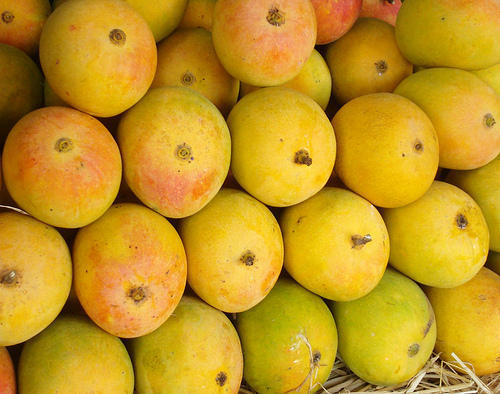
Ratnagiri Alphonso has become the region’s most recognisable agricultural name. The mango is closely tied to the summer season and to the identity of Ratnagiri and neighbouring areas.
Explore our Ratnagiri Alphonso page to learn more about this regional speciality.
Cashew
Cashew is another important crop in Konkan. The tree fits well into many parts of the regional landscape, and the crop has become an important source of agricultural income and food culture.
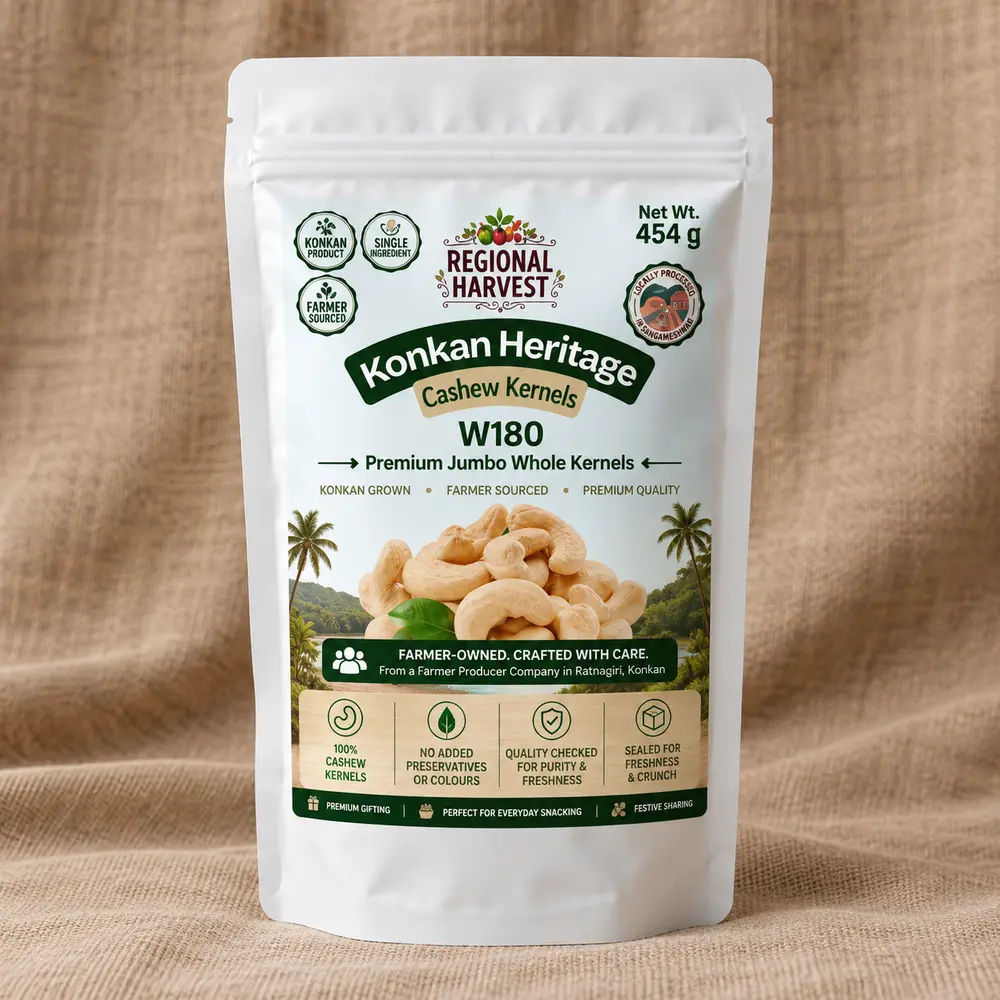
Our Konkan Cashews are available in W180, W240 and W320 grades.
Coconut
Coconut thrives in the coastal environment and has a place far beyond one particular dish. Fresh coconut, coconut milk and coconut oil all have important roles in everyday cooking.
Our Wood Pressed Coconut Oil is one example of a traditional coconut product adapted for everyday use.
Kokum and Jackfruit
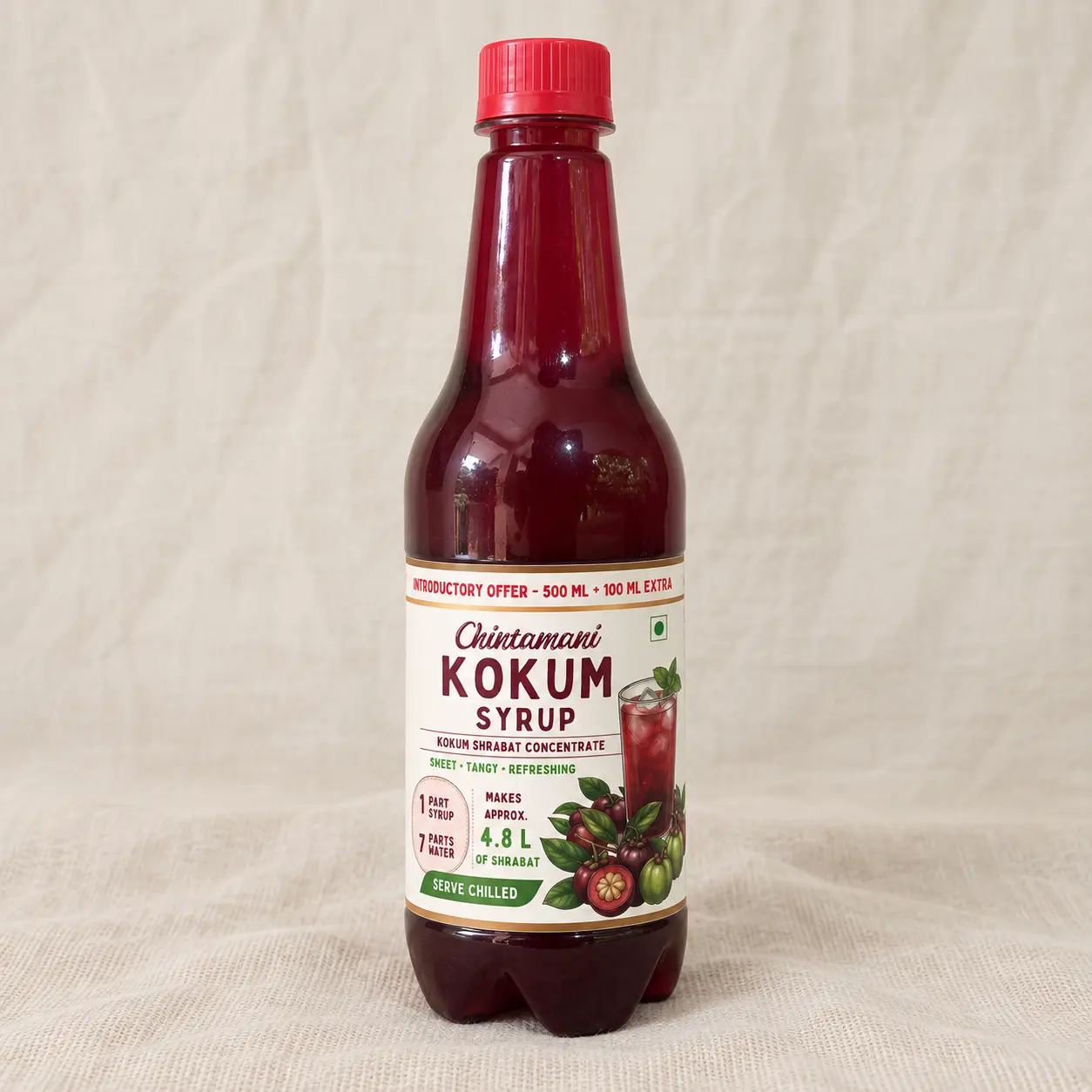
Kokum adds a distinctive sourness to Konkan food and is used in drinks and regional preparations. Jackfruit reflects another side of the region: seasonal abundance and the long tradition of finding multiple uses for one crop.
Why Farming Here Requires Adaptability
Konkan agriculture is often discussed through famous crops, but the farming system behind those crops deserves just as much attention.
Small and fragmented holdings can make mechanisation difficult. Hilly terrain can add practical challenges. Irrigation is not uniformly available. Weather can be intense, particularly during the monsoon, and crop timing matters.
Farmers therefore depend on local knowledge: when to plant, when to harvest, how to work with the terrain, which crops suit a particular patch of land, and how to manage produce after harvest.
Traditional mixed farming can also spread risk. Different crops may provide different harvest windows, food for the household and income opportunities rather than placing everything on a single season.
The Farm Does Not End at Harvest
One of the most important things to understand about regional food is that harvesting is only one step.
Fresh produce has to be collected, checked, sorted, transported and, when necessary, processed or packed. For a seasonal region, these steps are especially important because quality can change quickly.
At Regional Harvest, produce is sourced through our farmer network in Konkan. Fresh produce is brought through village-level collection points, where an initial quality check is carried out before it moves onward for packaging or processing.
That connection between a farm and a finished product is part of what makes regional sourcing meaningful. Learn more about our approach on the Farmer Support page.
Climate Changes the Way Food Is Preserved
Konkan’s strong seasons also help explain its long tradition of preservation.
When mangoes, jackfruit or kokum are available, households have traditionally found ways to dry, pickle, pulp, concentrate or otherwise process them. These practices turn a short harvest into something that can remain useful for months.
This is one reason traditional Konkan food is not limited to fresh produce. The pantry itself tells the story of the seasons.
Why Konkan Food Cannot Be Separated from Konkan Farming
You can learn a recipe in isolation, but you understand it differently once you know where its ingredients come from.
A souring ingredient such as kokum reflects a local crop. Coconut reflects the coastal landscape. Alphonso reflects a particular agricultural identity. Cashew connects farms, processing and food culture. Seasonal preservation reflects the realities of monsoon agriculture.
In other words, the food of Konkan is not simply a collection of dishes. It is an expression of a landscape.
From a Distinctive Landscape to a Distinctive Food Identity
What makes Konkan different is not one magical ingredient. It is the combination of geography, weather, farming systems, seasonal produce and generations of local knowledge.
That combination is worth preserving—and worth sharing with people far beyond the region.
At Regional Harvest, we want the products that reach your kitchen to remain connected to that story: where they come from, who grows them and what makes the region special.
Start exploring the region through our Alphonso, Cashew, Coconut and Kokum pages.
Frequently Asked Questions
What makes Konkan’s geography unique?
Konkan lies between the Western Ghats and the Arabian Sea. The combination of coastal conditions, monsoon rainfall, varied terrain and regional soils strongly influences farming and food traditions.
Why is the monsoon so important to Konkan farming?
The monsoon is a major part of the region’s agricultural cycle and influences crop growth, seasonal work and traditional food-preservation practices.
What are the major crops associated with Konkan?
Commonly associated crops and food plants include mango, cashew, coconut, kokum and jackfruit, along with many local vegetables, spices and other seasonal produce.
Why are Konkan farms often small?
Landholding patterns, terrain and generations of family farming have contributed to a landscape of many relatively small and fragmented farms. Farming practices therefore vary considerably from village to village and farm to farm.