
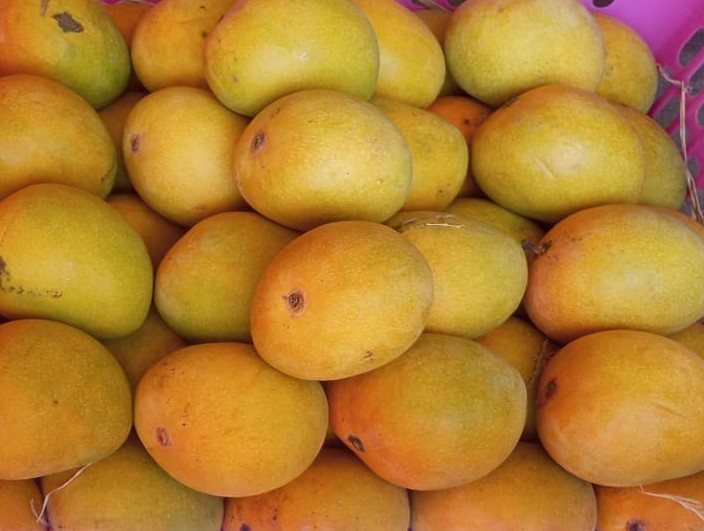
Few Indian fruits inspire the kind of anticipation that arrives with the first Alphonso mangoes of the season. For mango lovers, the sight, aroma and first taste of a ripe Alphonso can feel like the arrival of summer itself.
But why is Ratnagiri Alphonso mango so famous? Is it simply the variety, or is there something about the place where it is grown that makes the fruit special?
The answer is a combination of variety, growing conditions, seasonality, farming practices, careful harvesting and the deep cultural connection the mango has built with the Konkan region.
Here is what makes Ratnagiri Alphonso different—and why its identity is so closely tied to the land from which it comes.
First, What Exactly Is Alphonso?
Alphonso is a mango variety known for its distinctive aroma, smooth texture, sweet flavour and attractive golden-yellow colour when ripe. It is often enjoyed fresh, but it is also widely used for aamras, desserts, drinks, pulp and other mango preparations.
What makes the Ratnagiri version particularly desirable is not simply the name Alphonso. The fruit is strongly associated with the Konkan belt of Maharashtra, especially the Ratnagiri and surrounding coastal areas where generations of growers have cultivated mango orchards.
That connection between variety and place is an important part of the story.
1. The Konkan Growing Region Matters
Ratnagiri lies in the Konkan region between the Arabian Sea and the Western Ghats. Its coastal environment, monsoon pattern, red laterite soils and warm conditions create a distinctive agricultural landscape.
Mango trees do not grow in isolation from their environment. Temperature, rainfall, soil, orchard location, tree age and seasonal conditions all influence how fruit develops.
This is one reason why talking about Alphonso only as a mango variety misses part of the story. Ratnagiri Alphonso is also a story of place.
Our Ratnagiri Alphonso page explores that regional connection in more detail.
2. The Aroma Is Hard to Ignore
One of the first things people notice about a good Alphonso is its aroma.
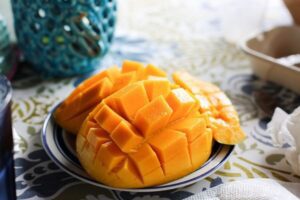
A ripe fruit can have a rich, sweet fragrance that is noticeable even before it is cut. For many mango lovers, that fragrance is part of the experience and one of the reasons Alphonso stands apart from more ordinary mangoes.
The aroma is also important when the fruit is used in preparations such as aamras or desserts, where the characteristic mango fragrance becomes a major part of the final dish.
3. Its Texture Is Smooth and Rich
Alphonso is valued for its relatively smooth, fibre-light eating quality compared with many other mango varieties. The flesh is soft and rich, which makes it especially enjoyable to eat fresh and convenient to use in pulp-based preparations.
That texture also explains why Alphonso works so well in recipes. It can be turned into a smooth aamras, blended into drinks or used in desserts without the fibrous mouthfeel that some mangoes can have.
4. Sweetness and Flavour Come Together
A good Alphonso is not simply about sweetness. Mango lovers often look for a balance of sweetness, aroma and depth of flavour.
The best fruit gives you a layered experience: the first impression may be sweet and fragrant, followed by a fuller mango flavour as you continue eating it.
This balance is one reason Alphonso has become such a popular choice for both direct eating and premium mango preparations.
5. Seasonality Makes It More Special
Another reason Alphonso feels special is that it is seasonal.
For a limited period each year, the mango becomes the centre of attention in homes, markets, gifting and celebrations. That short season creates anticipation in a way that an always-available fruit often cannot.
Seasonality also connects consumers more directly with agriculture. When the crop is ready, the market responds. When the season is over, fresh Alphonso disappears until the next harvest.
6. Ratnagiri Alphonso Has a Strong Cultural Identity
Alphonso is not just a premium fruit sold in boxes. In Konkan, mango season is tied to family memories, summer holidays, visiting relatives, sharing fruit and preparing traditional mango foods.
Mangoes may be eaten fresh, turned into aamras, preserved, made into pickles or processed into products that extend the flavour beyond the fresh season.
That cultural connection adds another dimension to the value of the fruit. People are not buying only sweetness; they are often buying a taste associated with summer, home and a particular region.
7. The Journey from Orchard to Customer Matters
Even an excellent mango can lose quality if it is handled poorly after harvest. Harvest timing, sorting, packing, transport and ripening all influence what finally reaches the customer.
At Regional Harvest, our fresh produce is sourced through our farmer network in Konkan. Produce is collected through village-level sourcing and goes through an initial quality check before moving for packing or other handling.
We also recognise an important distinction when talking about ripening: our mangoes are ripened in approved ripening chambers. We do not describe them as naturally ripened.
You can learn more about our approach to sourcing and farmer support on our Farmer Support page.
8. It Is More Than a Fresh Fruit
The character of Alphonso can also be enjoyed after the fresh mango season through carefully made products.
For example, Ratnagiri Alphonso Mango Pulp gives customers a convenient way to enjoy the flavour of Ratnagiri Alphonso beyond the short fresh season.
This is also part of a larger Konkan tradition: using seasonal harvests in ways that allow their flavour to remain useful for longer.
So, What Really Makes Ratnagiri Alphonso Different?
There is no single magic factor.
The reputation of Ratnagiri Alphonso comes from the way several things come together: a distinctive mango variety, the Konkan growing environment, skilled farming, seasonality, harvesting and handling, and decades of cultural recognition.
That is why the name Ratnagiri Alphonso carries more meaning than the name of a fruit alone. It tells you about origin, farming and a regional food tradition.
And perhaps that is the most interesting thing about it: the famous taste of the mango is inseparable from the place that helped shape it.
Frequently Asked Questions
Why is Ratnagiri Alphonso so famous?
It is known for its distinctive aroma, smooth texture, sweetness and strong regional identity. The growing environment of the Konkan region is also an important part of its reputation.
Is Alphonso a seasonal mango?
Yes. Fresh Alphonso mangoes are strongly seasonal, which is one reason the arrival of the crop creates such anticipation each year.
Why is Alphonso popular for pulp and aamras?
Its rich flavour, aroma and smooth texture make it well suited to preparations such as aamras, mango drinks, desserts and pulp.
Is Ratnagiri Alphonso naturally ripened?
Not necessarily. Mangoes may be ripened under controlled conditions. At Regional Harvest, mangoes are ripened in approved ripening chambers before being sent to customers.
Where can I learn more about Ratnagiri Alphonso?
Explore our Ratnagiri Alphonso page for more information about the fruit and its regional origin.